
The Short Answer
Most sciatica resolves within 4 to 6 weeks with conservative care. Around 75% of patients see meaningful improvement within the first four weeks. Sciatica persisting beyond 12 weeks is considered chronic and warrants evaluation by a physiatrist or spine specialist. MRI and other imaging are rarely needed in the first six weeks unless red-flag symptoms are present.
What Sciatica Actually Is (and What It Isn’t)
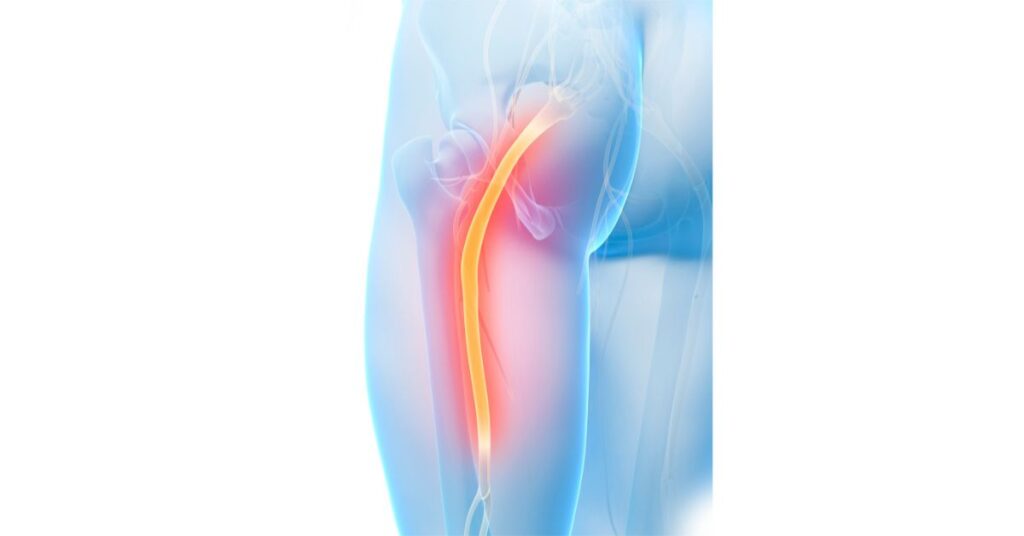
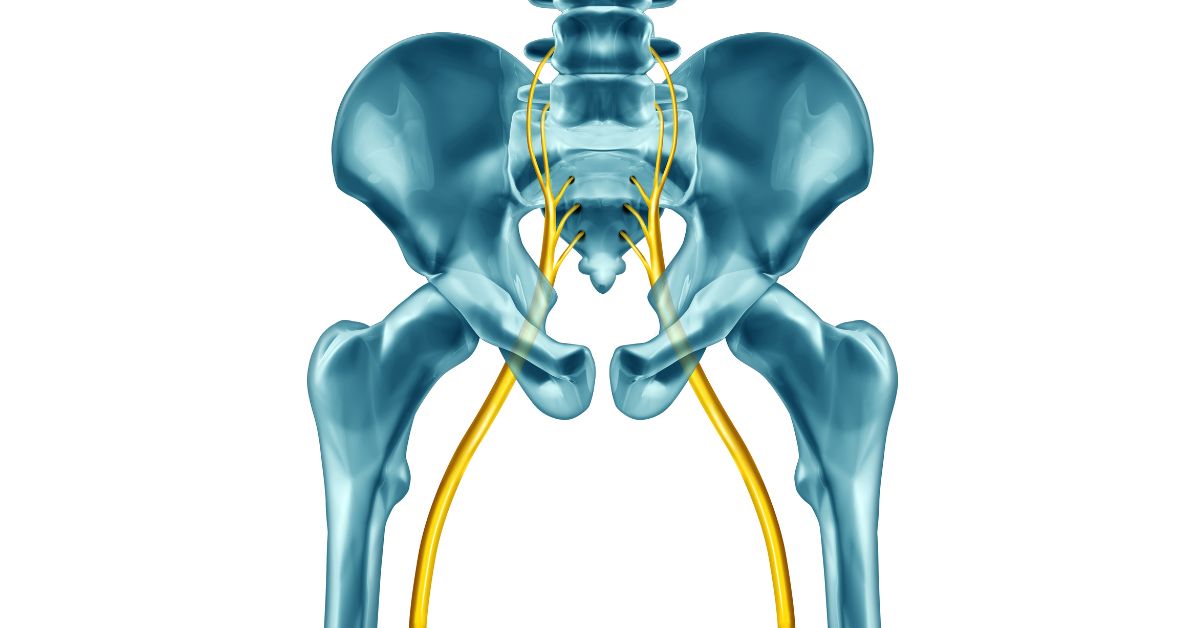
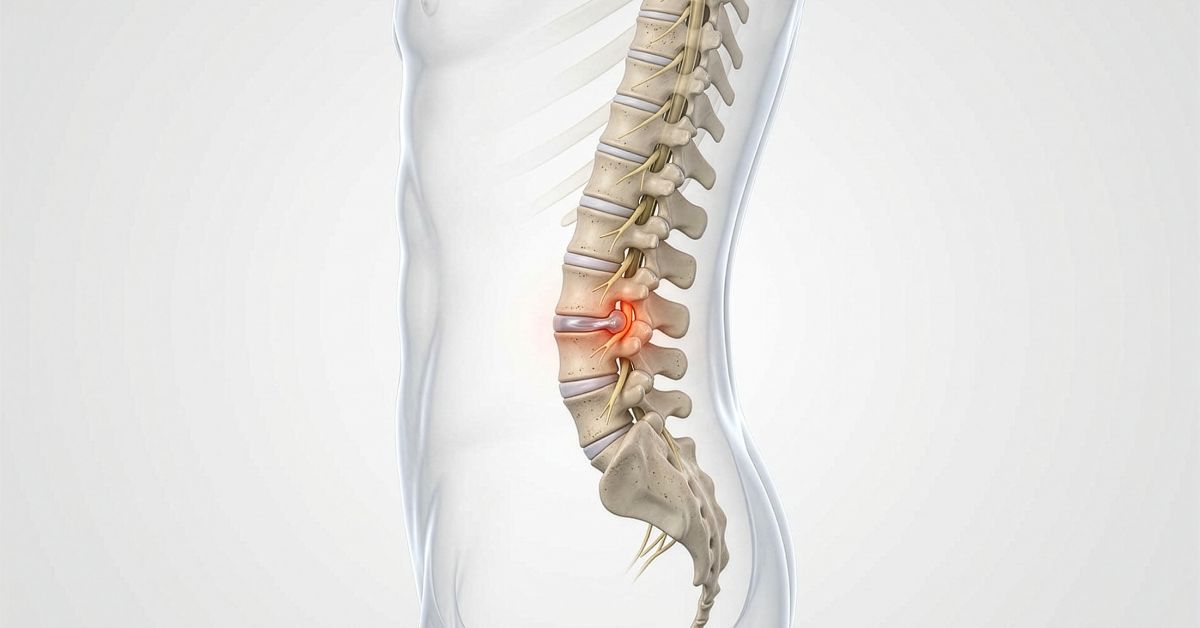
Sciatica is a symptom, not a diagnosis. The term refers to pain that radiates along the path of the sciatic nerve, which runs from the lower lumbar spine through the buttock and down the back of each leg. The pain is caused by irritation or compression of one of the nerve roots that form the sciatic nerve, usually at the L4, L5, or S1 level of the spine.
In our Charlotte and Huntersville practices, patients often arrive having self-diagnosed sciatica when the real issue is something else: piriformis syndrome, sacroiliac joint dysfunction, or referred pain from a facet joint. Accurate diagnosis matters because each of these conditions has a different treatment path and a different expected recovery timeline.
The most common underlying causes of true sciatica include:
- Lumbar disc herniation — the most frequent cause, where the soft inner material of a disc pushes against a nerve root
- Lumbar spinal stenosis — narrowing of the spinal canal, more common in adults over 60
- Spondylolisthesis — when one vertebra slips forward over another
- Degenerative disc disease — age-related disc changes that irritate nearby nerves
Identifying the underlying cause directly affects how long symptoms will last and which treatments will actually work. According to StatPearls (National Library of Medicine), lifetime incidence of sciatica is estimated at 10–40% of the adult population, making it one of the most common reasons patients see a pain specialist.
Acute vs. Chronic Sciatica: The 4-Week and 12-Week Thresholds
Clinicians classify sciatica by duration into three stages: acute (under 4 weeks), subacute (4 to 12 weeks), and chronic (more than 12 weeks). Knowing which stage you’re in sets realistic expectations and signals when to escalate care.
Acute sciatica (less than 4 weeks)
This is the early, inflammatory phase. Pain is often most intense in the first two weeks. The majority of acute cases improve significantly with conservative care: relative rest (not bed rest), targeted movement, anti-inflammatory measures, and time.
Subacute sciatica (4 to 12 weeks)
Symptoms persisting past four weeks warrant a closer look. This is typically when patients first see a physiatrist. Conservative care continues, but treatment usually intensifies to include physical therapy and, in some cases, an epidural steroid injection to break the inflammatory cycle.
Chronic sciatica (more than 12 weeks)
According to the ATLAS cohort study published in The Spine Journal, only about 55% of primary-care sciatica patients show meaningful improvement at the 12-month mark — meaning roughly 45% continue to experience symptoms a year out. At this stage, the underlying structural issue typically needs direct intervention — a more targeted injection series, advanced rehabilitation, or in selected cases, a surgical consultation.
Sciatica Recovery Timeline: What to Expect
Most patients see significant improvement between weeks 4 and 6, with full resolution typically by the 12-week mark. While every case is different, the typical recovery arc looks like this:
It’s worth noting that some residual numbness or tingling can linger for weeks after the pain itself resolves. This is usually a normal part of nerve recovery, not a sign that the sciatica has returned.
7 Factors That Affect How Long Sciatica Lasts
Recovery time depends more on these clinical factors than on the size of any disc finding on MRI. Two patients with similar imaging can have very different recovery timelines. The factors that most consistently predict a longer course include:
- Severity of nerve compression. A small disc bulge that lightly contacts a nerve root resolves much faster than a large extruded disc fragment compressing the nerve directly.
- The underlying cause. Sciatica from a herniated disc in a younger patient often resolves within weeks. Sciatica from spinal stenosis in an older patient tends to be more persistent.
- Pain intensity in the first 30 days. Severe pain that doesn’t ease at all within the first month is associated with a higher likelihood of becoming chronic.
- Whether the pain worsens with sitting, sneezing, or coughing. These movements increase intradiscal pressure. Persistent worsening with these positions suggests ongoing disc involvement.
- Activity level during recovery. Patients who stay gently active recover faster than those who default to bed rest. Complete immobility can prolong symptoms.
- Underlying health conditions. Diabetes, obesity, and smoking are all associated with slower nerve healing and longer recovery times.
- Delay in seeking specialist care. The longer significant symptoms persist without proper evaluation, the more likely they are to become chronic — partly because untreated nerve irritation can become self-sustaining.
How to Speed Up Sciatica Recovery
The fastest path to recovery is staying gently active, using heat or ice strategically, starting physical therapy early, and considering a targeted injection if symptoms persist beyond 4 to 6 weeks. Here’s what the clinical evidence supports:
Stay gently active
Bed rest beyond a day or two doesn’t help and may slow recovery. Short walks, light stretching, and normal daily activity within pain tolerance keep the spine mobile and discourage stiffness. The American College of Physicians’ clinical practice guidelines explicitly recommend non-pharmacologic approaches including superficial heat, massage, acupuncture, and spinal manipulation as first-line treatment for acute low back pain with or without sciatica.
Use heat and ice strategically
Ice during the first 48 to 72 hours can help with acute inflammation. After that, heat tends to be more helpful for muscle guarding and tension that develops around the painful area.
Start physical therapy early
Targeted physical therapy — nerve mobilization, directional preference exercises, core stabilization — has strong evidence for shortening sciatica duration. Earlier is generally better than later.
Consider an epidural steroid injection if symptoms persist
For sciatica that hasn’t improved with four to six weeks of conservative care, an epidural steroid injection can break the inflammatory cycle around the affected nerve root. It’s not a cure for the underlying disc problem, but it often creates a window of relief during which physical therapy becomes substantially more effective.
Adjust sleep position
Sleeping on your back with a pillow under your knees, or on your side with a pillow between your knees, takes pressure off the lumbar spine and the sciatic nerve. Sleep position matters more than mattress firmness for most patients.
Address contributing factors
Prolonged sitting, poor lifting mechanics, and weak core musculature all extend recovery. Even modest changes — a sit-stand desk, brief movement breaks every 30 minutes, basic core exercises — make a measurable difference over weeks.
When Sciatica Needs Imaging — and When It Doesn’t
Most patients don’t need an MRI in the first six weeks of sciatica. One of the most common misconceptions is that imaging is needed at the first sign of symptoms. In most cases, it isn’t — and ordering it too early can actually muddy the clinical picture.
The American College of Physicians and most major spine guidelines recommend against routine imaging in the first six weeks of sciatica symptoms, provided there are no red flags. The reason is practical: most cases resolve on their own, and imaging findings such as bulging discs and mild stenosis are extremely common in people without any symptoms at all. As Cleveland Clinic notes in its patient guidance, MRI is appropriate when conservative care has failed or when neurological deficits are present.
Imaging is appropriate when:
- Symptoms persist beyond six weeks despite conservative care
- There’s progressive weakness in the leg or foot
- There are signs of cauda equina syndrome (see red flags below)
- Surgery is being seriously considered
- The clinical picture suggests something other than a typical disc herniation
For most patients, a thorough physical examination by a physiatrist provides far more useful information in the first month than an MRI would.
Red Flags: When to See a Specialist Immediately
Most sciatica is not a medical emergency — but certain symptoms warrant same-day or emergency evaluation. Per NIH/NIAMS guidance on back pain, the following warrant urgent evaluation:
- Loss of bladder or bowel control (incontinence or sudden retention)
- Numbness in the inner thighs, groin, or genital area (sometimes called “saddle anesthesia”)
- Progressive weakness in one or both legs, particularly inability to lift the foot or push off when walking
- Severe pain following significant trauma, such as a car accident or fall
- Fever accompanying the back and leg pain, which can suggest infection
- Unexplained weight loss along with persistent back pain, which can occasionally signal a more serious underlying cause
These can indicate cauda equina syndrome or another condition requiring immediate intervention. If any are present, don’t wait for an outpatient appointment — go to the emergency room.
Short of those red flags, the right time to see a physiatrist is when sciatica isn’t improving after about two to three weeks of self-care, or when it’s significantly interfering with sleep, work, or daily activity from the start.
Sciatica Care at Advanced Sports & Spine
Our approach at Advanced Sports & Spine is physiatry-first and conservative-first. As board-certified physiatrists, we focus on accurate diagnosis, non-surgical treatment, and surgery only when it’s genuinely warranted — which, for most sciatica patients, it isn’t.
Typical evaluation at our Charlotte, Huntersville, and Fort Mill offices includes a detailed history, a focused neurological and orthopedic examination, and a discussion of treatment options ranging from physical therapy referrals to epidural steroid injections when appropriate. Imaging is ordered when it will actually change the treatment plan — not by default.
If your sciatica isn’t improving on its own, or if you’d like a clear answer about what’s causing the pain in the first place, request an appointment or call (704) 542-3988.
Frequently Asked Questions
Can sciatica go away on its own?
Yes, most cases of acute sciatica resolve without specific medical treatment within four to six weeks. About 75% of patients see meaningful improvement within the first month. That said, if symptoms aren’t easing after two to three weeks, or if pain is severe from the outset, a physiatrist evaluation can shorten the recovery and rule out other causes.
What’s the fastest way to relieve sciatica pain?
The fastest meaningful relief usually comes from a combination of gentle movement, strategic heat or ice, sleep position adjustments, and a targeted epidural steroid injection if pain persists past 4 to 6 weeks. There’s no genuinely instant fix for sciatica, despite some claims online. Over-the-counter anti-inflammatories can help short-term if medically appropriate for you.
How long does sciatica from a herniated disc last?
Sciatica caused by a herniated disc usually follows the typical 4-to-6-week recovery window. The disc itself doesn’t have to fully heal for symptoms to resolve — as inflammation around the nerve root settles, pain often eases substantially even while the disc still shows the herniation on imaging. Larger or more central herniations tend to take longer.
Is walking good or bad for sciatica?
Walking is generally good for sciatica, provided it’s within pain tolerance. Short, frequent walks help maintain mobility, reduce stiffness, and promote circulation around the affected nerve. Prolonged sitting tends to worsen sciatica more than walking does. If walking sharply worsens symptoms — particularly if leg pain comes on after a short distance and eases when you sit — that pattern can suggest spinal stenosis and warrants evaluation.
When should I get an MRI for sciatica?
Most patients don’t need an MRI in the first six weeks of sciatica. Imaging is appropriate when symptoms persist beyond six weeks despite conservative care, when there’s progressive weakness, when red-flag symptoms are present, or when surgery is being considered. A physiatrist evaluation determines whether imaging is warranted in your specific case.
Can sciatica become permanent?
True permanent nerve damage from sciatica is uncommon. Sciatica can become chronic — persisting for months or recurring intermittently — if the underlying structural cause isn’t addressed. Most chronic sciatica remains manageable with appropriate treatment; lasting nerve damage tends to occur only when severe compression is left untreated for an extended period.
Sciatica that won’t quit?
If your symptoms have been hanging on for more than a few weeks, a physiatrist evaluation can identify what’s driving the pain and get you on a treatment path that actually works for your specific case. We see patients at our Charlotte, Huntersville, and Fort Mill locations.
References
- Davis D, Maini K, Vasudevan A. Sciatica. In: StatPearls. National Library of Medicine. ncbi.nlm.nih.gov/books/NBK507908/
- Qaseem A, et al. Noninvasive Treatments for Acute, Subacute, and Chronic Low Back Pain: A Clinical Practice Guideline From the American College of Physicians. Annals of Internal Medicine. acpjournals.org/doi/10.7326/M16-2367
- Konstantinou K, Dunn KM, Ogollah R, et al. Prognosis of sciatica and back-related leg pain in primary care: the ATLAS cohort. The Spine Journal. 2018;18(6):1030–1040. pmc.ncbi.nlm.nih.gov/articles/PMC5984249/
- Cleveland Clinic. Sciatica: Causes, Symptoms, Treatment & Pain Relief. my.clevelandclinic.org/health/diseases/12792-sciatica
- National Institute of Arthritis and Musculoskeletal and Skin Diseases (NIH/NIAMS). Back Pain. niams.nih.gov/health-topics/back-pain