
Reviews
Help us fill out this space. Write a review TODAY.
Posted on

Just had our first appointment here this morning with my husband for his knee pain. This office is a 10 out of 10 in our opinion! From the ladies on the phone the day before the appointment, the front office staff, the nurses in the back and last, but certainly not least, Usman F Ahmad DO. The kindness and professionalism at this group was top notch. We got answers as well as the beginning of a treatment plan for my husband’s knees that we had been searching for for well over a year! I can’t say enough good about this practice and the great treatment that my husband received. The kindness, and knowledgeable answers to all our questions was greatly appreciated. I highly recommend them.
Posted on
For two years I have been suffering from shoulder pain in the rotator cuff, and with this treatment it disappeared in 3 days, I recommend it, it is very good and all its assistants are very kind, good care 👍🏻 …
Posted on
I recently visited Dr Ahmad office for knee-related pain and was thoroughly impressed with the service provided. From the moment I walked in, the staff (specially Natalie and Frances) was welcoming and efficient, ensuring a smooth and confortable experience. Dr Ahmad took time to listen to my concerns, providing clear explanations and thoughtful advice. His expertise was evident in the way he handled my case. I am grateful for the high-quality care and would highly recommend Dr Ahmad to anyone seeking a skilled and compassionate spine specialist.
Posted on
I would like to thank the staff of Advanced Sports and Spine for their superior customer service and dedication to helping their clients receive the treatment that’s needed and follow-through to ensure customer satisfaction. Tosh, Gabriela, Adam, Dr. Ahmad and their entire staff are intentional, responsive, professional and so wonderful!
Posted on
Dr. Ahmad and his team are so awesome! I feel at ease here and it’s been a very uneasy journey with my back pain. The Doctor and his PA were very clear and understanding of my needs. The nurses were very pleasant as well! Everyone was great! Thank you Advanced Sports and Spine for taking care of me!
Posted on
I had high hopes seeing all the reviews, but my experience was not great. I tend to not write reviews, but felt this was necessary. The physician was nice enough, however the appointment seemed rushed. As a matter of fact, the first thing he said to me is they are probably going to interpret us because I have to go give a shot to someone else, but we will get started. That first comment will automatically make someone feel like this will be a rushed visit. During the exam someone walked in to say they were ready for him, and he said give me 30 seconds, which meant that’s all the time I would have left. I am having extreme shoulder pain, and after the exam, he stated well you need an MRI. Ok, that’s fine, but what about in the in between. It takes weeks for insurance acceptance and then can take more time to schedule it. So we are looking at potentially a month or more out until I have the MRI. What am I supposed to do about the pain and not being able to use my arm because of the pain. I still work and have to have use of my arm to work. I asked all these questions and he was very laxadasical in his response, as if he could care less that I would have to suffer and that it was affecting my work. He offered no solutions, only once I asked about PT or steroid shots did he state if I wanted one then sure, but didn’t sound confident in wanting to do anything in the interim to help. I also asked well if I do have a tear than well I have to have surgery? He stated not likely, they would start with interventions such as PT first. So if thats the case, then why not mention to start that now while waiting for a schedule of an MRI. Again, I understand that imaging must be done, but in the world that we live in that it takes so long to get one ordered, there has to be something that can be done while people are suffering in the interim. At the end of the day, I did not have a good experience, felt the physician was rushed and honestly did not care. Was just trying to go as fast as possible to go room to room. Very disappointed.
Posted on
Dr Usmad and his staff are amazing! Dr Usmad handles my matters with extreme care and attention. He’s Super knowledgeable and doesn’t get frustrated with my many questions. Also, the receptionist Tosha is wonderful and will make you feel like part of the advanced sports and spine family! Really though, All of the staff are delightful and will make your visit enjoyable. Couldn’t recommend them enough!
Posted on
Dr Ahmad and his staff are the best! Dr Ahmad has treated me for both cervical and lumbar sports injuries and pain. He is knowledgeable, compassionate and efficient. I feel confident that I am getting the best possible outcome with the least disruption to my day-to-day life. Thanks to Dr Ahmad and his team, I am able to continue participating in the sporting activities I enjoy so much.
Posted on
I tweaked my back earlier in the day, and the team at Advanced Sports was able to quickly get me scheduled with a PA for an initial consultation. Thankfully it turned out to be a pulled muscle. Everyone was very professional and courteous, and the PA worked with me to provide some quick relief. I’m thankful for the help they were able to provide!
Posted on
The appointment was seamless and the Dr. was very good at explaining my situation with my hip and knee pain. I am hoping I feel better very soon. Very nice staff- which is rare these days. Highly recommend.
Posted on
Staff was very nice and accommodating upon arrival. Dr Ahmad was extremely informative with my possible diagnosis and provided great suggestions to help my back condition while I prepare for my MRI. Looking forward to seeing them again in a couple of weeks.
Posted on
Let’s begin by saying the entire staff from the front office to the doctors assistance are wonderful. The waiting room is immaculate and they are still keeping people safe by taking your temperature. Dr. USMAN is very committed to getting you the treatments you need. He’s very thorough with his examination and he honestly listens to your problems. I’m truly not a fan of needles, but I have to say he puts my mind at ease. He has very good bedside manner (that’s what all patients are looking for).
Posted on
For years I’ve had back pain. Finally came to see Dr. Ahmed and he and his staff were so concerned and friendly I was sorry I waited to see them. Advanced Sports and Spine work with you to alleviate pain. They are an amazing staff and doctors. I highly recommend Advance Sports and Spine for pain relief. Thank you Dr Ahmed and staff!
Posted on
Very friendly and professional staff. They got me in right away and that means everything. Dr Ahmad really helps with reducing the pain in my lower back.
Posted on
I’m very happy with the treatments I have received at Advanced Sports and Spine. They have provided me with several options to deal with the severe pain I am in. I appreciate their efforts and honesty concerning my spine problems. I was able to see the doctor quickly…about a two week wait. I highly recommend them, especially if you are like me and have exhausted all conventional avenues of treatment.
Posted on
Overall, have enjoyed working with the Advanced Sports & Spine staff. Compared to other healthcare professionals, I feel they tend to listen to me more as a patient. I also like that they provide different approaches to pain relief/management that are than the mainstream and focus on non-surgical options.
Posted on
Excellent service and care. Actually my pain has been manageable honestly since frequently visiting here . So I’m happy!! Please go and check Them out!
Posted on
Very grateful for the staff at Advanced Sports and Spine. They have helped me navigate this worker’s comp situation as well as assisted in getting my pain relieved after my car accident. I’m still going through the process, but I’m sure the outcome is a better one because of them. Thanks
Posted on
Excellent service from these guys. They were able to not only treat my pain, but assisted me with the faxing and refaxing of documents needed for my Insurance and disability while out of work. While they were doing everything right on their end, my disability provider was being slack. And the team at Advanced Sports and Spine helped me through it without complaint. When you’re dealing with pain the last thing you need to worry about is an in ept Insurance company dragging its feet to get you paid. Advanced S&S went above and beyond what was needed to make sure that was one less thing to worry with. Dr Ahmad, his PA , Tosho. And Janja (sorry for spelling!) and the rest are THE place to go to find people who truly CARE. If you’re looking fir a place that treats you as a patient and not a number , look no further.
Posted on
Dr Ahmad and staff are excellent! Highly recommend. Every single person I encountered from first phone call to visit was friendly. Dr Ahmad has a wonderful bedside manner and made me feel comfortable during the procedure. His assistant Natalie was fabulous!
Posted on
Advance Sports I love this place.Their pleasant & professional They make me feel like they really care about their patients… The staff are friendly & the doctors are handsome 😍 Thanks for taking such good care of my mother Exit 57 😉
Posted on
Dr Ahmad and team are the real deal. My wife thought she broke her thumb and needed an x-ray/scan immediately. While all Atrium, Novant, and Ortho Carolina offices told us it would be 3 days or more before the next available appointment, Dr Ahmad cancelled his lunch to get her in. This showed me that supporting small businesses often results in better experiences as we are treated like people with different situations rather than as a number. Thanks again!
Posted on
I had an exceptional experience with the team at Advanced Sports & Spine and I’m so pleased with the results. I had a stem cell procedure for lower back pain and the relief was near instantaneous. I highly recommend Dr Ahmad, and am so grateful for the experience and results – thanks to the entire team!!
Posted on
Dr. Ahmad is wonderful! He takes the time to listen and thoroughly explain what is happening to me and what my options are. One of the most compassionate doctors I have ever had, I am grateful for the treatment I am receiving. It is rare to find a doctor that does not rush you through your appointment, leaving you confused and lost-like, what just happened! Dr. Ahmad is compassionate, thorough, knowledgeable, and has a great bedside manner. His staff is awesome! I am always greeted with a smile and am treated like I am their only patient. They are upbeat and always have words of encouragement. Advanced Sports & Spine is AMAZING all around!
Posted on
My first visit today and all I can say is excellence all around. From the sweet lady at the front the young lady that took my vitals and the 🐐 doc Usman. Everyone took time to listen to me.. didn’t rush me. I was so pleased with everything. My treatment hurt but Dr. Usman talked me through everything. I’m so happy I found them. Even the office smelled amazing.
Posted on
I been here 3 times and I tell you it’s a great place to come doctor’s are great @ what they do and very nice and the staff o my God are very great and they make you feel so comfortable…don’t knock it until you come I promise you you want regret it
Posted on
From the front office staff to the nurses and Dr. Ahmad, my experience has be fantastic. They truly care about the patient and provide excellence at all levels. I moved from out of state. The 1st pain management group I saw in Charlotte was terrible. I was discouraged about healthcare for chronic pain in Charlotte. Then I found this group. Highly recommend them. Get ready to be greeted with smiles and genuine heartfelt care to assist you with your pain management!
Posted on
The PA Adam Omar did a great job administering a cortisone injection. I experienced immediate relief from a 2 yr injury. I highly recommend this office.
Posted on
Seriously outstanding office staff. I’ve been to the hospital and many doctors in the past month and this has been the best experience I have had. They made you feel seen, heard, and willing to help. I would give them 10 stars if I could. If you have issues I highly recommend Dr. Ahmad and his staff! Thanks for making me feel good when I feel bad!
Posted on
Talk about AMAZING customer service! I was referred to Dr. Ahmad by my orthopedic surgeon 6 months after my hip surgery in hopes of a solution to my lack of movement and stiffness. I was SUPER nervous about the injection because I didn’t know what to expect but the second I walked in, the staff was so reassuring. Not only did they listen and welcome me in, they just made me feel comfortable. Dr. Ahmad knows what he is doing! His confidence and just calm manner helped me get through it. He really wants to get you feeling better. Overall wonderful experience – thank you thank you thank you!!!
Posted on
Posted on
I highly recommend Advanced Sports and Spine. I cannot say enough about how much they have helped me in coping with chronic pain issues. Dr. Ahmad and his staff are highly skilled at not only treating the patient but treating the person. I always feel warmly welcomed when I come in for my spinal injections– which have eased my discomfort and enabled me to take steps towards a more healthy lifestyle. Thank you so much to Dr. Ahmad and staff! You all are the best!!
Posted on
Dr. Ahmad and his staff were great. The office staff was so upbeat, cheerful, and friendly- they made me look forward to my visits (even though I was struggling with my pain). They staff was helpful and took the explain billing and super helpful with referrals. Dr Ahmad was good at listening and asked questions to get right to the issue. He referred me to get an MRI and sent me to an office that was reasonably priced — was expecting. To pay way more. The plan to address my pain made sense and has helped me get back into recovery a level of pain management I can work with. His compassion was needed and helpful as I struggled to get a handle on my low back issues. I love the staff there! They are too notch.
Posted on
Dr Ahmad has a great bedside manner and knew immediately that I had tendinitis at my Achilles tendon. He took the time to listen and to explain what it would take to get better. The front staff was very friendly too. I highly recommend for any injury.
Posted on
My relationship with Dr Ahmad and staff starting maybe 3ish years ago. We have developed such a wonderful relationship. The staff is always attentive and eager to help. I have had a few procedures that were not physically pleasant, part for the course, but I must say Dr Ahmad and staff made it as pleasant as possible which almost made me forget how much I didn’t like the procedure. A few days later I had less pain then I appreciated them more. I highly recommend anyone experiencing bodily discomfort Advance Sport and Spine should be your next stop. 5 star rating from me.
Posted on
Friendly and helpful staff. Medical team is genuinely concerned about my health and well-being. Dr. Ahmad is amazing- kind, gentle, knowledgeable, experienced, competent, thorough. He told me what to expect and he was correct! Highly recommend Advanced Sports and Spine.
Posted on
This office has been great! From the ladies up front, nursing assistants and the doctor, I feel supported and encourage on my pain management journey! The doctor takes time to listen, make recommendations as well as helps me to understand the different options I have to feel better. I LOVE that he is not a pill pusher, does not run straight to narcotics and instead uses least invasive procedures to help me. Lots of laughter can be heard throughout the office- which tells me that they have a great team and enjoy work. Wouldn’t want to be anywhere else right now!
Posted on
I can’t recommend advanced sport and spine enough! From the wonderful administrative staff, to the nurses, and Dr. Ahmad (of course) the care is always top notch! I am a personal trainer and have had chronic hip pain for over a year now. Thanks to advanced sport and spine, I am finally living with minimal to no pain. I was originally told at ortho Carolina to rest and let me body heal, but that wasn’t realistic advice for my profession. Rather, advanced sport and spine has allowed me to continue to stay active, while providing a treatment regimen to heal my hip. If you are in pain, look no further and book a consultation here. I am so thankful I did and will continue to use advanced sport and spine for my health and wellness needs!
Posted on
Posted on
Place is amazing. A well oiled machine.. focus is on helping recovery but also soothing the process.. front office great…. Tosha. The elite best!!!!!!!! She gets it done paperwork scheduling yes sir special shout out to her…. you’ll appreciate the results!!!!
Posted on
Staff is welcoming and kind. 10/10 customer service. Dr. Ahmad is by far one of the best doctors I’ve seen. You can tell he cares about his patients and tries to get to the root of your problem. I would definitely recommend this office to my friends and family.
Posted on
Dr. Ahmad and his amazing staff are sensitive to their patients needs. When I became a patient there I was having incredible pain in my right leg. This is a doctor who works with his patients to assist in managing pain with a comprehensive plan to enhance the quality of life. In my particular case I have gone from pain limiting my ability to move and and walk to being able to function and contribute to my family’s day to day activities. I have great appreciation for Dr. Ahmad and his team. I would highly recommend Dr Ahmad to anyone requiring physical rehabilitation and or pain management.
Posted on
The physicians and staff are compassionate and caring. Tasha is a phenomenal employee
Posted on
The staff is very helpful, genuine and caring. They are considerate of your time. It’s always a pleasure to see an office work in a cohesive manner. Dr. Ahmad is a skilled and competent doctor on the leading edge in his treatments. I’m impressed with the care I have received and would recommend Dr. Ahmad for both traditional and alternative medicine.
Posted on
I was in extreme pain for several months, attempting to find relief with massage, chiropractic treatments, physical therapy, other doctors, and a series of steroids, muscle relaxers, and pain killers. Nothing helped. I’m not sure how my wife found Dr Ahman’s practice, but I’m so glad she did! From the friendly ladies at reception, to David (not sure what his title is, but he does quite a bit and is excellent in his role), to Dr Ahman himself, I couldn’t be more pleased with the care I received. Just one day after my initial visit, I saw a significant reduction in pain and increase in range of motion. After only a couple of follow up visits, I’m nearly back to full range of motion and just about pain free. I cannot recommend these folks strongly enough. Thanks to all for the terrific care. I’m very grateful.
Posted on
Dr. Ahmad is truly one of the best Doctor’s I have ever had the privilege to receive treatment from. He takes time to thoroughly explain everything, and listens carefully before responding to my questions or concerns. I am so grateful for his expertise, that I trust him with the care of my 81 yr old mother….and she likes him too 🙂
Posted on
Been living with pain for 20 yrs. Not any longer. My pain has been set aside and I’m feeling like a younger version of myself. No pain. The staff is amazing and dedicated to providing you complete relief of your pain. I would recommend this practice to anyone.
Posted on
I called Advanced Sport and Spine while in town for a conference. They staff was extremely friendly, knowledgeable, comforting, they listened to my concerns and communicated clearly. Pain aside, I felt completely at ease with this team and would highly recommend.
Posted on
The staff is friendly and they make sure you are comfortable throughout the procedure. The medical staff listens to your concerns and answers your questions thoroughly. Very good experience when you walk in the door in pain
Posted on
I have had a chronic nerve condition for 5 years with lots of doctors giving no answers and no pain relief. The staff here was wonderful. Not only did they work to get me in quickly, they sat down and listened to every single detail involved in my injury and made sure I was comfortable with my options, understood my options and did not pressure me to make any decisions the same day. Very excited to finally have a place to go and get not only answers but treatment! Definitely worth a visit if you are on the fence about it, the reviews are all true!
Posted on
Advanced Sports and Spine, Dr. Ahmad, Francis, Tasha, Lorraine and the whole staff – go above and beyond to take excellent care of their patients. Navigating the intricacies and ridiculous hoops created by our broken insurance processes is not for the family not of heart…they never gave up. They kept pressing forward, so that my pain management procedures could be completed as scheduled! I am forever grateful and I’m recovering today. Thank you team for all your kindness and professionalism. Looking forward to my follow up appointment. Wishing you all the best. Thank you for all you do to take care of us! I have, and will continue to recommend you to those who desperately need relief in order to live a better life.
Posted on
I came to Dr. Ahmad with severe pain in back, legs and knees. It has been a process tackling each part to become 90% pain free. And he assures me he will keep working to help regain my independence. The staff are exceptional. They really treat me like family. They know my time is as important as theirs. No longer than 5mins in the lobby. It’s not a waiting room because you don’t wait. You cannot go wrong with Dr. Ahmad and his team.
Posted on
I am changing my review. I was in too much pain when I wrote it and I should not have. They were waiting on my insurance and called me multiple times to touch base when I had not responded from the first phone call. They went above and beyond to have me to come in. The front staff was really nice and accommodating and so was the MA! They were kind and I got some relief. Dr. Ahmad listened to my concerns and even tried to keep the trigger point injections similar to what I needed to what my previous doctor had done. I cannot thank you all enough!!!!
Posted on
Dr. Ahmad and his staff take the time to answer your questions and develop a treatment plan based on individual needs. They are very compassionate and caring for their patients. My chronic pain has become much more manageable since I have began seeing them. They are true professionals and I would highly recommend them to anyone experiencing chronic pain.
Posted on
Let me first say that I have suffered from severe and debilitating hip pain the result of bursitis and an an inflamed iliopsoas tendon. I have had cortisone hip injections in the past that were both costly and ineffective. Dr. Ahmad’s steroid injection kept me totally pain free for 6 months, and moderately pain free for an additional three. So when I experienced severe metatarsalga, I turned to him again for help because the podiatrist had zero luck helping me. Again, he was able to find the proper location to inject, and again I have remained pain free for over 6 months. And then my back went out and I was walking around like a 90 year old. This time his PA diagnosed me and did trigger point injections that got me back to feeling good. Not only is all of the staff super friendly and caring, they are good at what they do.
Posted on
7 years of severe hip pain that severely limited my mobility, affected my quality of life, and almost caused me to leave my job. They fixed me in one 30 minute visit. Today, I’m pain free , loving life , and beyond grateful. If you’re in pain set up an appointment. You won’t be sorry!
Posted on
What an amazing practice!!!! The customer service is excellent!! All members of the practice are extremely professional and courteous!!! I absolutely love everything about my mom’s experience here!!! Going to doctors appts are not quite fun, but when you have great providers, it helps to ease some of the pain! I must say, I am very impressed!
Posted on
Dr. Usman Ahmad is very respectful, knowledgeable, and kind. His staff delivers the highest quality of patient services to it’s clients. I would recommend him and his practice to anyone. You just can’t find this level of service, expertise, and kindness anywhere, these days. But you can at Advanced Sports & Spine, PLLC Respectfully, D. Springs
Posted on
Hi before coming to doctor Amahd office I seen many pain specialists with minimal results but since coming to Advanced Sports and Spine I have been at a 5-6 pain level for several months now it’s the pain is back up due to the fact that I have to have back surgery which was postponed and Dr. Ahmad is taking so very good care of me with injections and you know anything that helps relieve my pain I’m letting you know straight off the bat he is not a big opiate doctor so if that’s what you looking for you need to look someplace else but, far as relieving your pain throughout alternative measures he’s the Dr for it I trust him indubitably. And what can I say about the staff they are amazing kind-hearted, funny, outgoing, caring, gentle and almost like family they take pride in their work they take pride in helping the patients are first here. Please come and check him out Dr.Ahmad is a Great Dr.
Posted on
I’ve been a patient at this office for several years. Treatment for multiple conditions that cause me to suffer from chronic pain and tension. The original owner took his time and made sure I was feeling good before allowing me to leave. So I was a little nervous when the practice changed hands to Dr. Ahmad and staff. I wasn’t sure if I’d get the same treatment that i was used to. But it’s been over a year since Dr. Ahmad and staff took over, and I’m very satisfied with everything they do for me. From Dr. Ahmad’s treatments, bedside manner and recommendations. To his staffs professionalism and prompt attention regarding anything that I may need. It’s an all around great experience at this practice. Appointments are readily available and the doctor doesnt rush you out. I would highly recommend Dr. Ahmad’s practice to anyone suffering with chronic pain and/or muscle spasms throughout your body.
Posted on
Dr. Ahmad and his staff gave me great care when I developed a left shoulder problem. I was reluctant to see anyone for it because I don’t have time to go from one office to another getting imaging studies. Dr. Ahmad used ultrasound in his office to visual the joint, diagnosed and treated my problem in one setting. His injection was barely noticeable and quite effective. They treat you so kindly and courteously there. I highly recommend.
Posted on
I was not familiar with them at all, then the Veterans Association recommended I go there for a Degenerative Disc Disease I have in my spine, & neck. Had a procedure to have multiple injections in my neck, that I’ve had before at Ortho Carolina. The pressure I felt in my back was so intense & uncomfortable, I was reluctant to do this at a place I’ve never heard of. Now, this went as smooth as it could possibly be, with Dr. Ahmad talking me through it the whole way. He made me feel comfortable and relaxed, along with the great conversations I was having with his staff. Sitting in the recovery room, I literally watched a patient waiting to go in for the same procedure as nervous as you could imagine. I told her of the experience I just had, so to relax. She was still nervous! I was about to leave & she came out with a big smile, & said wow, you were so right. I’ve now requested & was granted through the V. A. multiple times, to use their services. Last note! I have 3 artificial disc in my back replaced, & my bones repaired, so I’m not going to just keep seeing any Dr. I have confidence in them, and will use their services in the future. They offer some intriguing procedures that I’ve personally looked into at the main hospitals in Charlotte. Check them out, give them a try.
Posted on
The exam set off terrible pain. I know it had to be done to determine what was wrong. Dr. Ahmad has been so kind and has helped me so much. I know that tomorrow, he will get rid of this horrible pain and I’ll be a happy camper once again. I trust Him completely and wouldn’t go to anyone else!
Posted on
Not Service Dog friendly here!!! , I’m diabetic and lived 45 minutes away, and was not allowed to be treated because I had my medical alert dog with me. They made me reschedule my appointment after I just drove 45 minutes to get there, I was out my time, gas and wear an tear on my car, being the summer time there is no way I would leave her in the car. Which is what they suggested I do, really ? I wonder if they leave their kids in the hot car while they go to a doctor appointment. Also the staff is not very welcoming, except for 1 young girl that worked there, every time I went to my appointment, I felt like the Red headed step child.
Posted on
Dr. Ahmad and his staff are very accommodating, highly professional, answer questions efficiently. I would highly recommend them to more family and friends who move near the area. My in-laws became their new patients when they moved last Dec 2020. Thank you doctor and staff!
Posted on
This is a wonderful medical practice. Very professional, yet, personable. The Doctor as well as entire staff wholeheartedly care for your well being. Doctor has impressive knowledge of new technology in today’s medical field and is patient and through in his explanations of your options for treatment. Has changed my husband’s life for the better.
Posted on
Hands down the best pain management clinic I’ve been to. Dr Ahmad is professional and provides you all tangible options that are available to you based on your condition. The office is also very buttoned up and you are usually in and out in around 30 minutes.
Posted on
From the front desk, to the assistants and Dr. Ahmad, everyone is so welcoming and friendly. They patiently listen and come up with an action plan. I cannot say enough about Dr. Ahmad and his staff! Highly recommended!
Posted on
I take my grandmother here for monthly appointments. The staff is exceptionally friendly. There are always plenty of smiles and laughs. They are invested in their patients and try to do everything possible to help manage their pain.
Posted on
Advanced Sports & Spine, PLLC is the best pain management clinic in Charlotte and that starts with the staff. Not only Dr. Ahmad, but each of the medical assistants and the office staff here make you feel like you are welcome and that you are cared for. That may seem like a small thing, but anyone that’s been to a doctors office knows the sometimes cold approach to medicine. This is definitely not the case here. Dr. Ahmad takes the time to treat YOU, not just your pain. Being a DO, he looks for many ways to try to help you manage your pain and overall health in the most natural way possible. He also really listens to you and every time I go back (which is only once a month), he remembers things from our last conversation. That is a man who cares about his patients.
Posted on
Dr. Ahmad at the Advanced Sports and Spine in Charlotte did my first two preliminary injections into my cervical spine area to begin the process of lessening and/or eliminating the pains of osteoporosis and degenerative disc disease. I’m truly experiencing more pain-free days, already, and the final injections of this insurance-covered process will be the RFA, Radio Frequency Ablation, to deaden the nerves of those nerve impingements, giving me even more relief. It is so wonderful not to have to depend entirely on NSAID’s or other pain medicine. I’m so grateful for this treatment availability, and Dr. Ahmad is outstanding and skillful in this type of pain treatment. His staff are wonderful as well!
Posted on
Dr. Ahmad has done more for me in pain relief than 5 months in physical therapy. I give him a 10 plus ratting. He truly listens to your complaints and works to help the pain. Office staff is very friendly.
Posted on
You’re absolutely fabulous. Advanced Sports And Spine The people that work there are knowledgeable they listen they pay attention they’re clean they’re kind they’re worth going to every time for your medical needs.Dr.Ahmad , Pays attention to my needs For pain management. I highly recommend this doctor and staff. You would leave there knowing you’ve been Heard. From a very satisfied patient Traci Kendrick😊💕❤️✌️
Posted on
I came to Advanced Sports and Spine 2 months ago as a New Patient and have received EXCELLENT care! The front office staff is truly the best customer service experience I’ve ever had. The staff in the back are truly AMAZING as well. The treat you as family and I would recommend Advanced Sports and Spine to family and friends!
Posted on
I am a huge fan of the entire team at Advanced Sports & Spine. Each visit I struggle to find the words to explain what pain/discomfort I am feeling. The response I get to this is so supportive and understanding. We work through what is going on, come up with an action plan, and when I am walking out the door I just feel relieved because I know that I’m on the right path to healing. It honestly doesn’t matter what the conversation or course of action is each particular time, because each time it ends up being something extremely helpful. I just really appreciate the team Dr. Ahmad has assembled.
Posted on
I agree with all the other reviews. Everyone in this office is awesome; Staff, Docs, even the other patients! Met the friendliest 90 yr young gentleman there!
Posted on
I recommend Advance Sports & Spine. The staff and front desk are friendly and professional. I take care of all my husbands medical, and he has been suffering with severe chronic back issues for years, and Pain Mgmt. Physician, Dr. Ahmad has just started treating my husband and has shown nothing but a great bed side manner, shows empathy towards my husbands concerns, and also answers all our questions…
Posted on
I went in for a consultation seeking help for my pain and my anxiety was super high but once I spoke with Dr Ahmad I felt soooo relieved.He listened to me explained my options and gave direct instructions. The Staff was awesome as well they really made me feel welcomed and once I left I knew I found a new Family. Thanks you guys for the great service.I’m looking forward to seeing more of you and I will recommend your services to those in need.
Posted on
I have had an amazing experience at Advanced Sports & Spine. All the employees are kind and compassionate and dedicated to helping you feel better. I highly recommend this practice.
Posted on
Dr.Ahmed and staff are professional and friendly. I have suffered from a nerve condition that for 4 years and meeting many so called specialists without any relief. Dr. Ahmed fist idea no one ever thought off. He gave me a shot and relief No one should be disappointed from seeing Dr Ahmed 5 star does not do justice it should be 10
Posted on
Thankful for Dr. Uhmad and his wonderful staff, I have always been treated with pure kindness. It’s a wonderful feeling knowing I want always have to be dependent on any medication. The procedures that I receive are definitely a blessing. I would highly recommend him and his staff.
Posted on
Great care with a smile. They listen n ask specific questions to better care for the patience. Great team in treatment. Christine has super strong arm for the cortisone injections in the hips. I call it my “OH SH** BAR” but its nice n warmer. She is a very caring person n helps me with morr than just my physical pain. Christine is a super caring nurse/assistant to dr Ahmad. He too is very professional with his patience. I wouldnt go any where else for pain management. I need to add…the whole office works together as a team. N each one is focused on their dailey tasks. Ty Christine for “knowing” my pain n that you are needed n much appreciated. Ty
Posted on
Super professional office from booking an appointment the day before, to sending over the paperwork, to the Doctor and his staff. Normally I’d say that I can’t wait to come back, but you know what I mean here. Thanks!
Posted on
Dr. Ahmad and staff are outstanding. They treat me with respect and have made a positive impact on my health as I continue living with chronic pain. Highly recommend as a pain management provider.
Posted on
Staff is so nice and provides help when needed for scheduling appointments outside of this office. Dr is nice and listens when I explain the types of pain I have. Highly recommend.
Posted on
Dr. Ahmad & his entire staff are THE BEST pain management clinic around! They make you feel like your health really matters to them & they are always caring & friendly. I highly recommend this clinic to anyone with any pain issues at all!!!
Posted on
I have been seeing Dr. Ahmad for several years. His staff is kind and really listens and reports everything I tell them. Dr. Ahmad likewise really listens, and I never feel rushed. The care he has provided to me is beyond reproach. I highly recommend this practice.
Posted on
Outstanding experience! From the initial call to Tosha, through the consultation and discussion with Dr. Ahman, very pleased with Advanced Sports & Spine. Thank you!!
Posted on
Everyone was very nice and professional! Extra kudos for getting an appointment the same week I called. Dr. Usman is very efficient and thorough and very nice. Hopefully I have found the ankle relief I need.
Posted on
Nothing but good things to say about Dr. Ahmad. He exudes confidence which is very assuring since I’ve always been nervous about having anything done to my back! I am actually looking forward to my raf procedure for pain free days ahead!
Posted on
I really advise any and everyone to consider Advanced Spine& Sports if your in need of : Pain Relief Friendly Customer Service A Clean Work Environment A staff that’s holds it self to high standards. The Doctors really care about each patients well being. Thank You Advance Spine & Sports.
Posted on
I feel very fortunate to be a patient of Dr. Ahmad for my pain management. He speaks in a manner I can understand, and also suggest alternative treatment if there may be a chance it will help. I appreciate Dr. Ahmad and his complete staff what a great experience. Thank You Mrs Evelyn Pharr
Posted on
After having struggled with bilateral Achilles tendonopathy for over a year, I discovered Stem Cell Carolina/Advanced Sports and Spine. The PRP treatment I received has provided much relief from chronic pain and difficulty walking. Dr. Ahmad and his staff make you feel like part of their family from the minute you arrive, and guide you through the entire process. If you have pain, don’t hesitate to call them.
Posted on
Dr usman and his staff are top notch. Been receiving trigger point and shoulder injections for several years ,results are as good as my own body tolerates them.
Posted on
They make me feel assured all will be okay and understand cost. I love that unreasonable care is not suggested just to pad a bill. But they provide you what you need. This is an art that is missing in today’s economy.
Posted on
Dr. Ahmad and Staff are Excellent, Efficient, Professional and Caring. It is by far the best Pain Management Group I have ever used! I highly recommend them!
Posted on
I’m a new patient, and haven’t been seen yet. I just got off the phone with Tasha and she was sooo nice and thoughtful, with a great personality and great attitude .
Posted on
Dr. Ahmad is wonderful! He takes the time to listen and thoroughly explain what is happening to me and what my options are. One of the most compassionate doctors I have ever had, I am grateful for the treatment I am receiving. He worked with me to lower my pain medication dosage. My experience was, fortunately, not like the horror stories I have heard where pain doctors have either lowered doses without notice or abandoned their patient altogether. It is rare to find a doctor that does not rush you through your appointment, leaving you confused and lost-like, what just happened! Dr. Ahmad is compassionate, thorough, knowledgeable, and has a great bedside manner. His staff is awesome! I am always greeted with a smile and am treated like I am their only patient. They are upbeat and always have words of encouragement. Advanced Sports & Spine is AMAZING all around!
Posted on
Before coming to Advance Sports and Spine it was very difficult to walk and climb stairs. However, now after having Stem cell placed in my left hip I can move more than ever. I also had PRP placed in my bilateral hands and now and I feel great. I would refer anyone in pain to come for treatment.
Posted on
I have been more then pleased with my results the doctor has went beyond to make me feel better the staff is very friendly courteous and helpful Dr Ahmed is the best doctor that I have been too. I would highly recommend his office to anyone.
Posted on
David Jimenez, I think that’s the guy, did an excellent job. He was very personalable and sincere. Thanks, we need more folks in this industry like you.
Posted on
My name is Eric and advanced sports and spine is like no other. Great in communicating and telling you your best options for optimal health. Dr. Usad and staff are a great team💪 …
Posted on
Dr Ahmad is very professional and he takes the time to listen to his patients. His staff is wonderful.
Posted on
I was given an appointment I carefully explained my situation to the staff on concerns on the date for me to return back to work so they gave me a date two days before I was to report to work Two hours before my appointment I received a call saying they no longer accepting cash patients. I feel like that was extremely unprofessional and disrespectful I wouldn’t recommend this people for my dog…. -5 rating
Posted on
For a while Iv been going here…. very good practice… however one day I get a phone call to come in and do a medication count…. as most people I work…. I was put in a situation ware I was suppose to just drop everything and go in for medication ccount…since I was unable they permanently cut me off all my medications and went through withdrawal and they did not even care
Posted on
Just wanted to say thank you for taking such good care of me and understanding my concerns about my back and hip.pain.Youre an amazing doctor and person. Thank you.Today isn’t a good day but I’m staying optimistic
Posted on
Excellent care and service. Receptionists are very friendly. Staff’s care is always above and beyond expectations.
Posted on
This place takes care of business and gets you back to doing normal things.
Posted on
Advanced Sport &Spine was a great experience for me. From the receptionist to the MA, the Dr experience, and check out. See you guys in the new year!!
Posted on
Everyone at this office is fabulous. They do exactly what is needed they are professional and friendly and caring. Top notch. If you have the opportunity to go there please do.
Posted on
Dr. Ahmad doesn’t waste any time, however, he is thorough, compassionate, and brilliant at the treatment and healing he offers.
Posted on
Dr.Amhad is the best doctor i have ever been too…he listens and works with u to come up with a personal health plan that fits u and the staff is over and beyond 5*****…I highly recommend advanced sports & spine to anyone who needs to be heard and helped as much as humanly possible…thank u for everything yall do…u have been a blessing and u r 5 stars above the rest…
Posted on
I JUST WANT TO SAY DR USMAN AHMAD IS A GREAT DOCTOR THE TREATMENT I GET FROM HIM IS EXTREMELY EXCELLENT AND HIS STAFF ARE OUT OF THIS WORLD PLEASANT VERY NICE AND INFORMAL ON YOUR TREATMENT WHEN HE TAKES THE TIME TO GO OVER YOUR TREATMENT HE IS ON POINT THANKYOU YOU DR AND YOUR STAFF FOR GETTING ME BACK TO NORMAL!!
Posted on
By far the best group of people I’ve dealt with in the pain management industry. I travel an hour to go here that should speak for it’s self. 5 stars
Posted on
Outstanding administrative staff. Super Medical staff…take the time to ensure you understand what the issues are and what your options are.
Posted on
They really care about how you feel also offer the best treatment for your pain,keep up the great work.
Posted on
The doctor is very caring he will take time to explain things and answer any questions that you may have. And all the staff is wonderful very friendly and caring also.
Posted on
Exceptional staff and great doctor. My only choice for my pain management needs. Thank you Dr. Ahmad and staff.
Posted on
Clean friendly environment. Staff is always welcoming. Knowledge and professional. Procedures and questions are readily answered and I always feel like I am being heard. I would highly recommend
Posted on
Great Dr and staff. The dr spends a lot of time with you and really cares. The staff are super friendly and helpful.
Posted on
This is a good doctor’s office very good people did Tuesday job and know how to do their job doctor excellent and so is his staff y’all need to come and visit if you have a problem
Posted on
Yes I would recommend family and friends I been comeing here for years and have had a great experience with everyone Great doctor.
Posted on
I love them I’m grateful the Dr got to the root of my pain.I feel a lot better since I’ve be coming to Dr ahamaud
Posted on
Great experience, Dr. Ahmad And staff are very friendly and knowledgeable. I recommend them to anyone looking for a great pain specialist.
Posted on
Great doctor and very kind staff, glad I was able to find a doctor who helped and relieved me of alot of pain.
Posted on
Amazingly friendly staff, and wonderful care from Dr. Ahmad and his team.
Posted on
I love this place. The Dr. is amazing n all the staff is great. I highly recommended this place n the Dr. he really cares n takes the time to listen n figure out what’s going on.
Posted on
They were amazing. Please come to see the doctor and his amazing front office
Posted on
The atmostphere in this office is amazing. We are always greeted with a smile and great attitude.
Posted on
Dr Ahmad is easy to talk to and provides a personalized experience a d is supported by an excellent staff!
Posted on
I bring my grandmother for her appointments and we absolutely love all the ladies in the office!
Posted on
The front desk attendants were so rude to my mother who was in agony from a back injury. After waiting for 2 hours they told her she couldn’t be seen that day. What!? They didn’t even offer an ice pack. Appalled.
Posted on
I have been to this clinic a few times and the staff is fantastic and very professional. Highly recommended.
Posted on
Dr. Ahmad and his staff have been awesome to me. They truly care.
Posted on
Very friendly and quick. Glad I was able to find a good doctor!
Posted on
Loved the service. Physician is very compassionate and follows up with every lab.
Posted on
Dr has been so good to me helping with all the pain and the staff so good and understanding Thank you Dr Admad
Posted on
Highly recommend Dr. Ahmad and his team.
Posted on
This was a great experience and I look forward to future treatments. A++
Posted on
Amazing Dr and staff my pain was so bad i prayed for a great Dr and i got him ❤💜🐞 …
Posted on
Great experience, friendly staff,
Posted on
All staff are courteous and competent….Dr
Posted on
Staff was professional, prompt to answer calls, prompt at appointments
Posted on
Outstanding Service very Professional as well as Friendly and Helpful
Posted on
Very friendly,helpful.
Posted on
The staff are bar none the best around.
Posted on
This is a wonderful caring office.
Posted on
Posted on
Posted on
Posted on
Posted on
Posted on
Posted on
Posted on
Posted on
Posted on
Posted on
Posted on
Posted on
Posted on
Posted on
Posted on
Posted on
Posted on
Posted on
Posted on
Posted on
Posted on
Posted on
Posted on
Posted on
Posted on
Posted on
Posted on
Posted on
Posted on
Posted on
Posted on
As technology becomes a building block in our society, most of us are now bound to our seats, looking at screens longer than ever. Prolonged sitting has been considered by a Lancet study as the new smoking due to its health risks. One of which is the weakening and potential tear on one of the glute muscles called gluteus medius or glute med.
As a non-surgical pain management practice in Charlotte, Advanced Sports & Spine aims to educate patients about the importance of adequate muscle activity to avoid muscle pain in the gluteal muscles like gluteus medius and gluteus maximus.
What is Glute Med or Gluteus Medius?

Gluteus medius or glute med is one of the three gluteal muscles in our buttocks. It starts at the surface of the ilium or the uppermost and largest part of our hip bone and runs in a slant or oblique position to support the strongest bone of our body which is the femur or thigh bones.
Gluteus medius is sandwiched between the two of the three gluteal lines or curved muscles that support the ilium and underneath the fascia lata. The inferior gluteal line is the less distinct muscle close to glute med but is more directed towards the spine.
The crucial role of glute med
Gluteus medius is responsible for stabilizing our pelvis when we walk, run, or stand. It helps keep the hip in a neutral and balanced position through hip abduction and medial rotation of the hip. If you try to lift your leg or raise your left foot, your glute med muscles receive the pressure of your stance and keep your hips in a level position.
If your gluteus medius gets weak, the other side of your hip will drop whenever you move your leg up or forward. While it may not cause any pain at the start, the pressure placed on the gluteus medius muscle will be distributed to the surrounding muscles and tendons which may affect your knees and your ankles.
Dead butt syndrome or gluteus medius tendinopathy
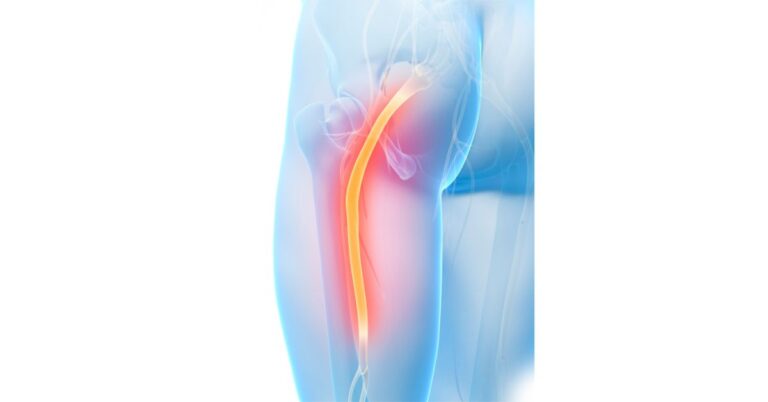
Dead butt syndrome is a condition wherein the gluteus medius becomes weak and tight and extends the tightness to the hip flexors. It can also cause a pinched nerve connected to the L4 and L5 level of the spine, which can cause numbness and pain shooting down in the buttocks, thighs, or legs.
Causes of dead butt syndrome
Gluteus medius weakness takes time to build up. Usually, it is a product of both sedentary and overactive use of the glute muscles. The common causes of dead butt syndrome or glute med pain are as follows:
- Prolonged sitting during work hours
- Neglecting muscle strengthening exercises for athletes like runners, soccer players, and basketball players
- General inactivity and sedentary lifestyle

Symptoms to look out for
Glute med pain or dead butt syndrome, in its early stage, can be tolerable. However, the advanced stages may tend to be too painful and may need certain pain management strategies. Due to its pain patterns, it is often misunderstood as sciatica, so it’s best to visit your doctor for the right diagnosis.
The growing pain and discomfort of dead butt syndrome can affect your mobility at work, the movement strategies of athletes, and overall quality of life. Here are the mild and advanced symptoms of dead butt syndrome that you should look out for:
- Discomfort and soreness when sitting
- Numbness after sitting for several hours
- Lower back and hip pain
- Pain shooting down from your buttocks to your legs
- Pain when lying down on one side
- Walking stride adjustments due to pain
- Unbalanced posture when one leg is raised

How your lifestyle increases your risk for gluteus medius pain
Dead butt syndrome can develop from our daily habits. In some cases, our jobs and lifestyle can contribute to musculoskeletal problems. Here are some of its risk factors:
- Desk jobs, work from home setups, & driving routines: Prolonged sitting can weaken the glute muscles and cause them to get stiff and painful. The pain involved with these kinds of jobs usually manifests through lower back hip pain.
- Activities that promote the excessive use of your hip muscles: Extensive use of hip muscles may also strain the gluteus medius. These include walking, running, or hiking.
- Weight-bearing exercises: The added weight on the upper body may contribute to the added pressure on the hip muscles and cause strain.
- Overweight and obesity One of the risk factors of being obese and overweight is the added strain on the hip joints and the muscles. If these conditions are paired with inactivity, the weak muscles may fail to support the bones and lead to osteodegenerative problems.
- Runner’s weight training complications: Runners who are skipping muscle strengthening and gluteus medius exercises often experience weak glute muscles which can lead to injuries affecting their knees and ankles.
- High-impact sports: Aside from running, sports that involve continuous running and high-impact movements like soccer and basketball may increase your risk for glute med pain due to overuse or strain on the glute muscles.
Treatments for glute med pain or dead butt syndrome
The good thing about glute med pain or dead butt syndrome is you can recover from it through therapy and exercises. Here are some of the treatments that can help you restore your pain-free life:
- The RICE method (rest, ice, compress, elevate): The first treatment that you can apply immediately to your sore or tight glute muscle is to take a rest, apply cold therapy through ice packs, and elevate your feet or hips.
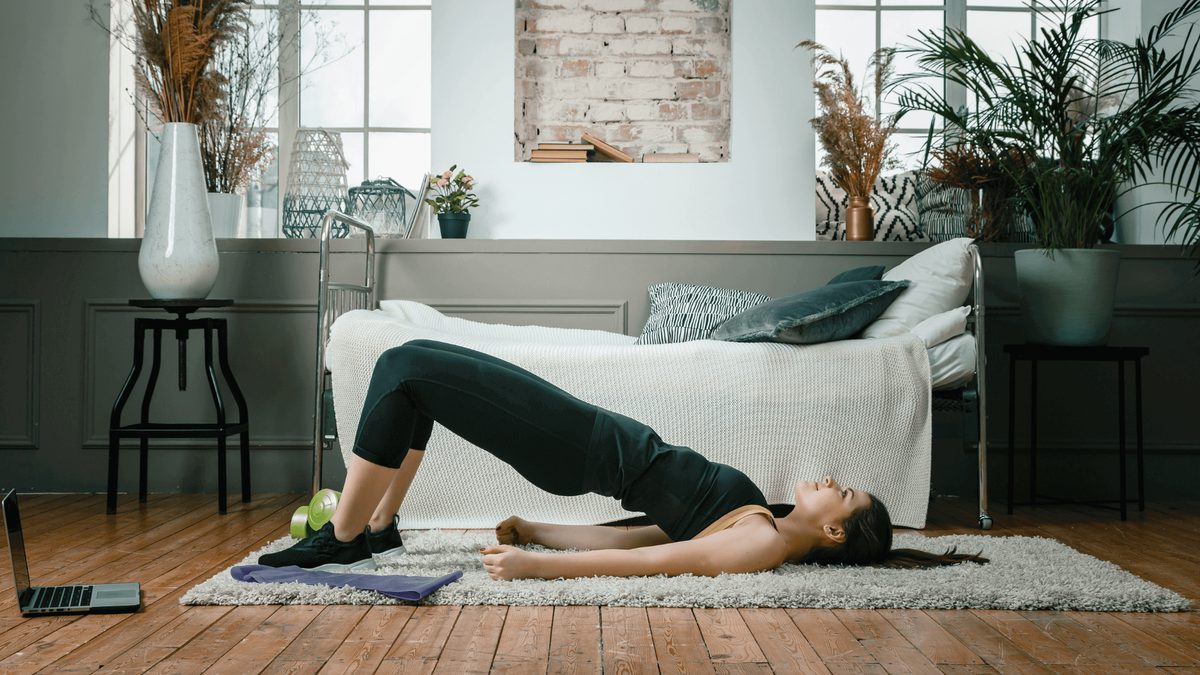
- Hip exercises and gluteus medius stretches and exercises: Strengthening the glute muscles after years of being glued to a chair is one of the best ways to maintain healthy glute muscles. Glute med stretches are easy to do and can be squeezed into your hectic schedule.
One of the easiest muscle strengthening exercises that you can start is the glute bridge. The starting position is lying down on the ground and keeping your knees bent as you lift your hips. You may use a resistance band to help strengthen specific muscle groups.
- Non-surgical therapies: For advanced dead butt syndrome, pain management therapies might be necessary to help you keep on with your daily life. Here are some of the possible treatments to help you recover from debilitating hip pain:
Discover if your hip pain is due to dead butt syndrome at Advanced Sports & Spine
Over and underuse of our muscles are the common causes of muscle tightness, pain, and even muscle tear or damage. If you are feeling any pain, numbness, or soreness in the hip area, Dr. Ahmad can help you find the source of the pain and provide you with the best pain management solutions. Schedule an appointment today and regain your active and pain-free life.
GLUTE MED
8035 Providence Rd Suite 340, Charlotte, NC 28277, United States
New Patients: 704-542-3988
Existing Patients: 704-542-3912