
Cervical ESI
For neck pain that spreads into the shoulder, arm or hand, often from a pinched nerve or herniated disc in the neck.
- Neck
- Arm pain
Image-guided epidural steroid injections for radiating back, neck, arm and leg pain caused by sciatica, a herniated disc or spinal stenosis. Performed by our board-certified physiatrists at our Charlotte office on Providence Road, in the Arboretum area.
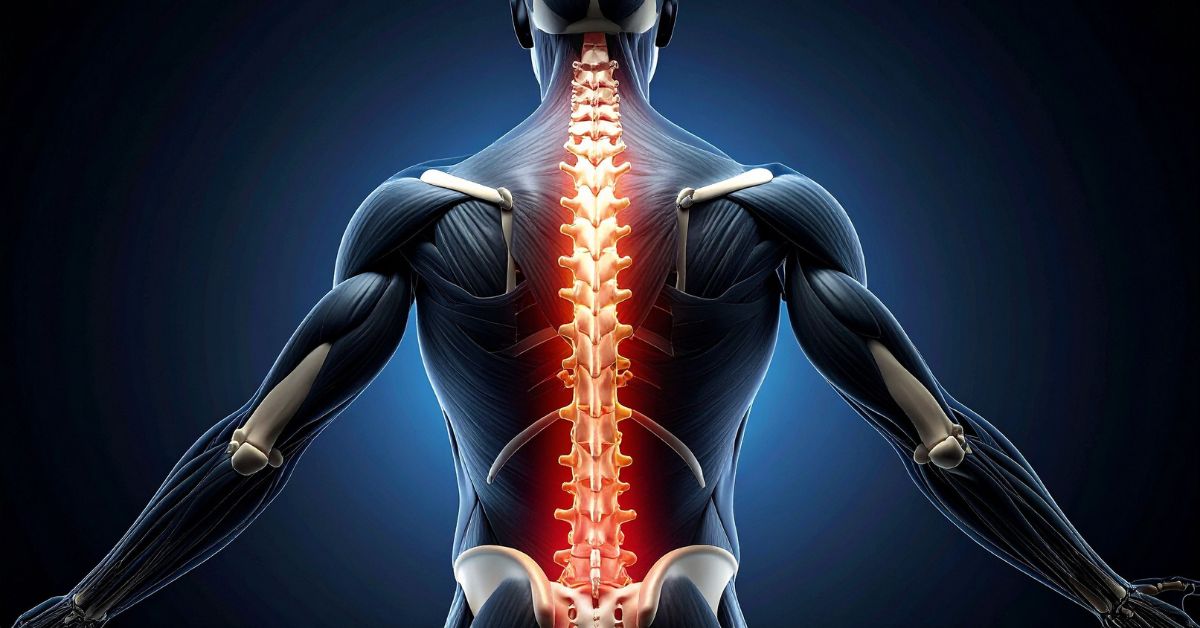
An epidural steroid injection (ESI) is a non-surgical procedure that places anti-inflammatory steroid medication into the epidural space, the area around the spinal nerves, to calm the nerve inflammation behind radiating back, neck, arm or leg pain.
When a disc bulges or the spinal canal narrows, a nearby nerve root can become pressed and inflamed. That inflammation is what sends pain, tingling or numbness along the nerve into your leg (sciatica) or arm. An ESI delivers medication directly to the irritated area, using live X-ray (fluoroscopy) so your physician can see where the needle is placed.
An ESI treats inflammation, not the disc or arthritis itself, so it is usually one part of a plan that also includes targeted exercises and other non-surgical spine care. For many patients, the window of relief makes it easier to stay active and keep up with rehabilitation.
Our physiatrists perform epidural steroid injections in the neck, mid-back and lower back, and choose the approach that places the medication closest to the irritated nerve.
For neck pain that spreads into the shoulder, arm or hand, often from a pinched nerve or herniated disc in the neck.
For mid-back pain, or pain that wraps around the chest wall, caused by an irritated nerve in the mid-back.
For low back pain that travels into the buttock or leg, including sciatica.
Places the medication alongside one specific nerve root as it leaves the spine. Often used when pain is on one side.
Delivers the medication into the epidural space from the back of the spine, reaching both sides and more than one level.
Reaches the epidural space through a small natural opening at the base of the spine, near the tailbone. Often used for lower back pain.
Our physiatrists use epidural steroid injections for nerve-related spine pain.
Pain that travels from your lower back into your buttock or leg. Read more about sciatica.
A disc that presses on a nerve root. See herniated vs. bulging discs.
A pinched nerve in the lower back, with pain, tingling or numbness in the leg.
Neck pain that spreads into the shoulder or arm.
Narrowing of the spinal canal that puts pressure on the nerves.
Wear in the spinal discs that irritates nearby nerves. See our back conditions.
Pain that travels into an arm or leg, burning, shooting, tingling or numbness along the same path, symptoms that have not improved with rest, medication or physical therapy, or pain that makes it hard to sit, walk, sleep or work. Not sure where your pain is coming from? Start with Where Does It Hurt?
An ESI is designed for pain from an inflamed spinal nerve. Other sources of pain call for a different procedure, and your physician will recommend the one that fits your diagnosis.
From your first visit to your follow-up, here is how an epidural steroid injection works at our Charlotte office.
Your physiatrist reviews your symptoms, examines you and looks at any imaging, such as an MRI. If an ESI is a good fit, they explain which spinal level will be treated and why. Let us know if you take blood thinners, have diabetes, or have had a reaction to contrast dye or anesthetic before.
The skin is cleaned and numbed with a local anesthetic. No sedation is used, so you stay awake throughout. Using fluoroscopy, your physician guides a thin needle toward the irritated nerve. A small amount of contrast dye may be used to confirm placement before the steroid and anesthetic are injected.
You rest briefly before going home the same day. Please bring a driver to a spinal injection. Soreness at the injection site for a day or two is common, and the steroid starts to work over the next several days.
We check how much your pain has improved and plan your next steps, which often include exercises to strengthen and protect your spine. Most people have no more than three or four steroid injections in a year.
Every procedure carries some risk, and your physician will go through yours before the injection. Image guidance helps place the needle accurately, which lowers some of these risks.
Call us if you develop a fever, increasing pain or redness at the injection site, or a severe headache after your injection.
Epidural injections are performed by our two physiatrists, both certified by the American Board of Physical Medicine & Rehabilitation. The physician who examines you is the physician who performs your injection.

Board-certified physiatrist · Founder
Fellowship-trained in interventional sports and spine medicine. Sees patients in Charlotte, Huntersville and Fort Mill.
Full profile
Board-certified physiatrist
Fellowship-trained in interventional spine management. Sees patients in Charlotte and Huntersville.
Full profileAs an independent practice, we perform injections in our own offices, so there are no hospital facility fees. We verify your insurance before your visit; see Payments & Insurance for details. Meet the team.
Still have questions? Call (704) 542-3988 and our team will talk it through with you.
Most patients feel pressure and brief discomfort rather than sharp pain, because the skin and deeper tissue are numbed first. Some soreness at the injection site for a day or two afterward is common.
No. Epidural injections at our offices are done with a local anesthetic only, which numbs the skin and deeper tissue at the injection site. You stay awake throughout and go home the same day.
The injection itself usually takes less than 30 minutes. Allow extra time for check-in, preparation and a short rest before you go home the same day.
The steroid can take up to five days to start working. Relief varies from person to person; it often lasts up to three months and may last longer. Combining the injection with exercise and physical therapy helps you make the most of it.
Most people have no more than three or four steroid injections in a year, which limits the side effects of repeated steroid doses. Your physician will decide whether a repeat injection makes sense based on how well the first one worked.
Yes, we recommend that you bring a driver for a spinal injection. The local anesthetic can cause temporary numbness or weakness, so plan to rest for the remainder of the day.
Both use a corticosteroid, but they treat different problems. An epidural steroid injection places the medication around inflamed spinal nerves, while a cortisone shot for a knee, hip or shoulder goes into or around that joint. See corticosteroid injections for joint pain.
Go to an emergency room if back pain comes with loss of bladder or bowel control, numbness in the groin or inner thighs, leg weakness that is getting worse, or a fever. These can be signs of a serious problem that needs immediate attention.
Epidural steroid injections are performed at our Charlotte and Huntersville offices; they are not performed at our Fort Mill office. If you live north of the city, see epidural steroid injections in Huntersville. Planning a first visit? Read the Patient & Visitor Guide.
Monday to Friday, 8:30 AM to 5:00 PM
Monday to Friday, 8:30 AM to 5:00 PM
New patient hours: Tuesdays, 8:30 AM to 12:00 PM
Call (704) 542-3988 or request an appointment online.