Targeted relief for radiating back, neck, and leg pain caused by a herniated disc, sciatica, or spinal stenosis, without surgery or daily opioids. Our board-certified physiatrists perform fluoroscopic-guided epidural injections right here in the Lake Norman area, with same-week appointments and no hospital facility fees.
Medically reviewed by Usman Ahmad, DO, board-certified physiatrist · Last reviewed June 2026
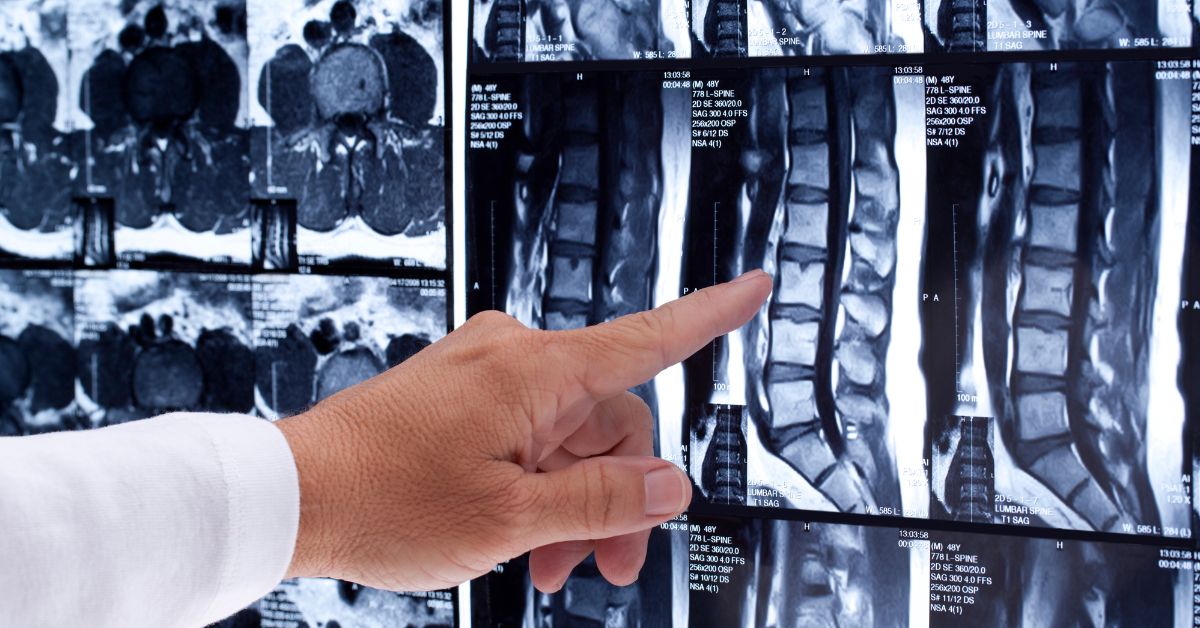
When a disc herniates or the spinal canal narrows, the nerve roots branching off your spinal cord become compressed and inflamed. That inflammation is what sends sharp, burning, or radiating pain down your arm or leg. An ESI bathes those irritated nerves in corticosteroid medication, reducing the swelling and quieting the pain at its source.
Because an ESI treats the inflammation rather than the underlying disc or arthritis, relief is not always permanent. It often provides a meaningful window of comfort, frequently enough to let physical therapy and other non-surgical care do their work. It is a cornerstone of non-surgical, non-opioid pain management in Huntersville.
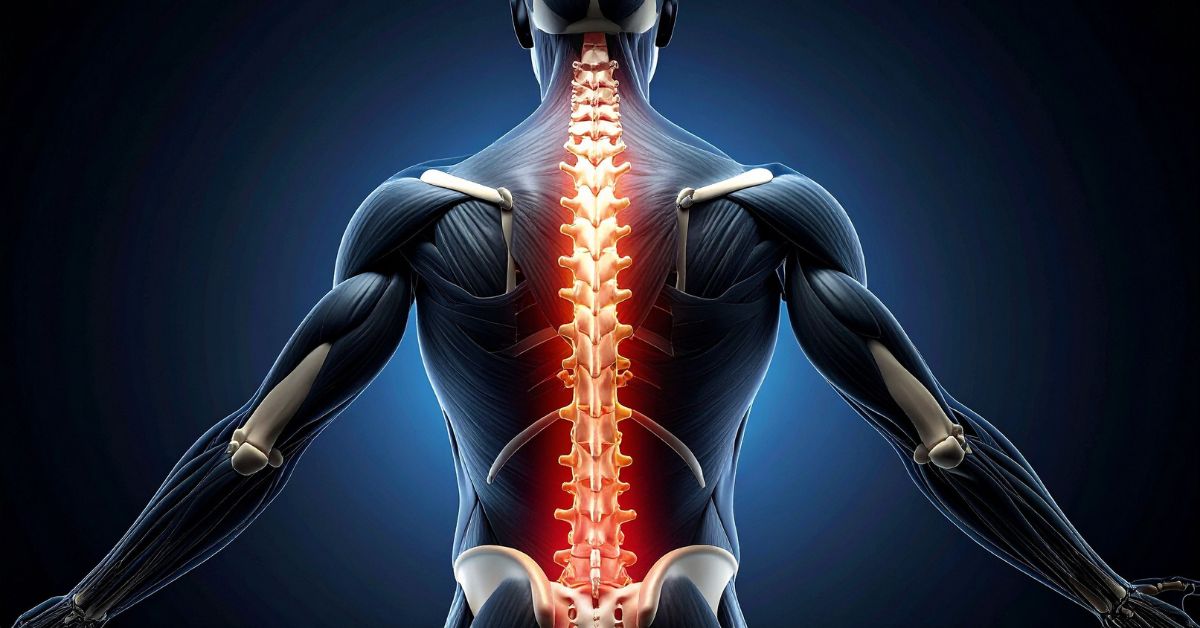
Our physiatrists most often recommend an ESI when your pain stems from an irritated nerve root rather than a worn facet joint. That distinction matters: when the pain comes from joint arthritis instead, radiofrequency ablation is usually the better fit. Conditions we commonly treat with an ESI include:
Transforaminal ESI places the medication right alongside the specific nerve root as it exits the spine. It is the most targeted approach and is often chosen for one-sided sciatica or arm pain.
Interlaminar ESI delivers the medication into the epidural space from the midline of the back. It is useful when pain affects both sides or spans several spinal levels.
Caudal ESI is given through a natural opening at the base of the spine. It is frequently used for lower lumbar pain or for patients who have had previous back surgery.
The entire procedure is done in our Huntersville office using live image guidance. No hospital, no general anesthesia, and you go home the same day.
A board-certified physiatrist reviews your history and imaging, examines you, and confirms whether an irritated nerve root is driving your pain.
You lie comfortably while we numb the skin and deeper tissue with a local anesthetic. A mild sedative is available if you'd like one, but most patients don't need it.
Using live X-ray, a thin needle is guided precisely toward the epidural space near the affected nerve, so the medication reaches exactly the right spot.
A small amount of contrast dye confirms the needle is positioned correctly before any medication is delivered.
The steroid, often combined with a numbing agent, is delivered into the epidural space. The procedure takes about 15 to 30 minutes.
After a brief observation period you go home to rest. Most patients are back to light activity the next day.
Recovery is quick. You may notice mild soreness at the injection site for a day or two, eased with ice and rest. Because the steroid takes a few days to reach full effect, your pain relief usually builds over the first week rather than disappearing instantly. Most patients return to their normal routine within a day. When an injection is paired with physical therapy and gradual activity changes, that window of relief is often the opportunity that gets patients back on track without surgery.
The approach is well supported by the evidence. Major interventional pain guidelines, including those published by the American Society of Interventional Pain Physicians (ASIPP), report strong, high-quality evidence that fluoroscopically guided epidural injections provide meaningful relief for radiating pain from a herniated disc.
As an independent clinic, we never add the facility fees that can double or triple your bill at health-system pain centers. Learn why →
Our physiatrists both pinpoint the source of your pain and perform the procedure, with no referral chain and no bouncing between providers.
New Huntersville patients are usually seen within the week, not the 6 to 12 weeks typical of hospital pain clinics.
Every injection uses live image guidance so the medication reaches the exact nerve, for safer and more effective relief.
An ESI is part of our function-first approach that exhausts every non-surgical, non-addictive option before surgery is ever discussed.
We work with most major plans and verify your coverage before your visit. Insurance & payments →
An epidural injection is a fluoroscopic spine procedure that rewards precision and careful patient selection, so it's performed by our board-certified physiatrists, both fellowship-trained in interventional spine care with a diagnostics-first approach.
Most patients feel only mild pressure. The skin and deeper tissue are numbed with a local anesthetic before the injection, so discomfort during the procedure is minimal. Afterward, some temporary soreness at the site is normal and usually settles within a day or two with ice and rest.
Relief varies from person to person. Many patients feel improvement within a few days, with relief lasting from several weeks to several months. Some people need only one injection, while others benefit from a short series, generally limited to three or four in a year. Pairing the injection with physical therapy often extends the benefit.
Yes, epidural steroid injections are covered by most major insurance plans when criteria are met, including Blue Cross Blue Shield, Aetna, Cigna, UnitedHealthcare, Medicare, Humana, and Tricare. As an independent clinic we do not charge hospital facility fees. Call (704) 542-3988 and we will verify your benefits before your visit.
Because of the steroid involved, injections are generally limited to three or four within a twelve-month period. Your physiatrist will recommend the right number and spacing for your situation, always using the lowest effective approach to keep you comfortable and safe.
The steroid usually takes a few days to reach full effect, so relief tends to build over the first week rather than appearing immediately. If a numbing agent is included, you may notice some short-term relief on the same day as the inflammation begins to settle.
An epidural injection calms inflammation around an irritated nerve root, which makes it ideal for radiating pain from a disc or stenosis. Radiofrequency ablation interrupts the nerves of an arthritic joint and tends to last longer, often 6 to 8 months. Epidural Injections are frequently used first, with ablation considered when the pain comes from joint arthritis instead.
Epidural steroid injections are considered very safe and are performed under live image guidance to protect the surrounding structures. The most common effects are temporary soreness, a short-lived flush, or a brief rise in blood sugar for some patients. Serious complications are rare, and your physiatrist will review your individual risks beforehand.
Most patients come to us directly without a referral. Some insurance plans do require one from your primary care physician. If that is your situation, our team will help you get it quickly so it does not delay your care.
Our Huntersville clinic is located at 9920 Kincey Ave, Suite 200, Huntersville, NC 28078, just off Gilead Road and easily reached from I-77 (Exit 23). We serve patients across Huntersville, Cornelius, Davidson, Mooresville, Denver, and Troutman, without the drive uptown or a large hospital campus to navigate.
Free on-site patient parking is available and the building is wheelchair accessible. Most patients don't need a referral. Call (704) 542-3988 and we'll confirm your coverage before your visit.
If radiating pain from a disc, sciatica, or stenosis is wearing you down, an epidural steroid injection may be the relief you've been looking for. Same-week appointments are open for Huntersville patients now, usually no referral and no facility fees.