

Tennis Elbow (Lateral Epicondylitis)
Overuse of the forearm muscles that extend the wrist irritates the tendon on the outer elbow, causing pain when gripping, lifting or twisting. Most people who get it do not play tennis.

Non-surgical, non-opioid treatment for tennis elbow, golfer’s elbow, tendinitis, bursitis and other causes of elbow pain. Our board-certified physiatrists find the cause of your pain and build a treatment plan around it.
Understanding Elbow Pain
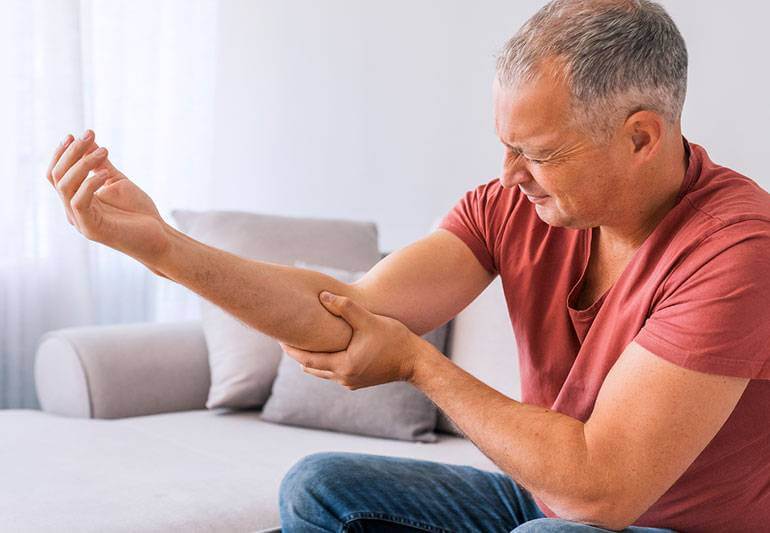
Elbow pain is pain in or around the elbow joint, where the upper arm bone meets the two bones of the forearm. It is most often caused by overuse of the tendons that attach at the elbow, as in tennis elbow or golfer’s elbow, but it can also come from bursitis, arthritis, sprains or a compressed nerve.
Symptoms can include aching or burning on the outer or inner elbow, stiffness, swelling, a weak grip, or tingling into the hand. Minor elbow pain often settles with rest, but pain that lasts for weeks should be assessed by a specialist.
Conditions
We diagnose and treat the most common causes of elbow pain. Read more on our elbow conditions page.
Overuse of the forearm muscles that extend the wrist irritates the tendon on the outer elbow, causing pain when gripping, lifting or twisting. Most people who get it do not play tennis.

Irritation of the tendons on the inner elbow, often from repetitive gripping, throwing or lifting. Pain may spread into the forearm, and grip strength can weaken.

Swelling of the fluid-filled sac at the tip of the elbow, often after leaning on the elbow, a knock, or an underlying condition such as arthritis.

Gradual wear of the cartilage in the elbow joint, causing pain, stiffness and reduced range of motion, often in people who have had a previous elbow injury.

Irritation of the tendon at the back of the elbow, where the triceps muscle attaches. It is common in weightlifting and throwing sports.

Overstretching or tearing of the ligaments, muscles or tendons around the elbow, from a fall, a sudden force or repeated overuse.

Pressure on the ulnar nerve on the inside of the elbow, causing numbness or tingling in the ring and little fingers and sometimes a weaker grip. Nerve conduction studies (NCS) and EMG can help confirm it.
Treatments
Your treatment plan depends on the cause of your pain and your goals. Options include:

Corticosteroid injections, placed with or without ultrasound guidance, reduce inflammation in an irritated tendon, bursa or joint.
Learn More
A peripheral nerve block places local anesthetic near the nerve that carries pain signals from the elbow, to relieve nerve-related pain.
Learn More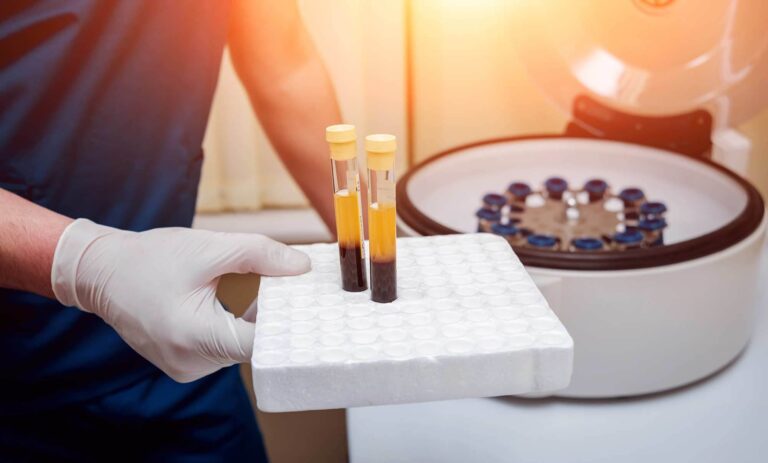
PRP therapy and stem cell therapy use your body’s own healing factors to support the repair of chronic tendon problems such as tennis and golfer’s elbow.
Learn More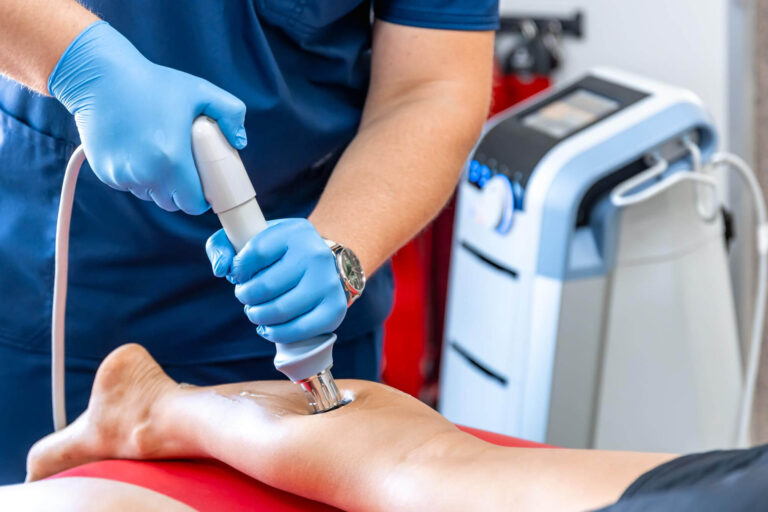
Shockwave therapy delivers acoustic waves to stubborn tendon problems such as tennis elbow. Sessions take place in the office, with no needles or surgery.
Learn MoreExercises
Targeted exercises can help relieve discomfort and restore strength and movement. Discuss any exercise plan with your physician first, and stop any exercise that makes your pain worse.
Locations
In the Arboretum Office Park at Providence Road and Pineville-Matthews Road, less than a mile from the Providence Road exit off I-485.
Monday to Friday, 8:30 AM to 5:00 PM
Charlotte office detailsOff Gilead Road at Exit 23 on I-77, serving Huntersville, Cornelius, Davidson, and the Lake Norman area.
Monday to Friday, 8:30 AM to 5:00 PM
Huntersville office detailsServing Fort Mill, Tega Cay, Rock Hill, Indian Land, and the South Charlotte border communities.
New patient hours: Tuesdays, 8:30 AM to 12:00 PM
Fort Mill office detailsFAQs
The most common causes are overuse tendon problems such as tennis elbow and golfer’s elbow. Other causes include olecranon bursitis, arthritis, sprains and strains, triceps tendinitis and cubital tunnel syndrome, where the ulnar nerve is compressed at the elbow.
Treatment depends on the cause. At our offices in Charlotte, Huntersville and Fort Mill, traditional treatments include steroid injections and nerve blocks. We also offer innovative regenerative treatments such as PRP therapy and stem cell therapy, and shockwave therapy for stubborn tendon problems.
Mild elbow pain from overuse often improves with rest, changes to activity and simple exercises. Pain that lasts for weeks or keeps coming back usually needs an assessment to find and treat the cause.
See a specialist if elbow pain lasts more than a few weeks, keeps returning, affects your grip or sleep, or comes with numbness or tingling in your fingers. Seek urgent care for an obvious deformity, severe swelling, or an injury after which you cannot move your elbow.
Warning signs include pain that does not improve with rest, ice or over-the-counter pain relief; swelling, warmth or redness around the elbow; numbness or tingling; and weakness in your grip. These symptoms should be assessed by a specialist.
It depends on the cause. Minor strains often settle within days or a few weeks, while tendon problems such as tennis elbow can last for months without treatment. Once the cause is diagnosed, your physician can explain your expected recovery time.
Gentle stretching and strengthening exercises can support the elbow and restore movement, especially for tennis elbow, golfer’s elbow and tendinitis. Avoid any exercise that makes your pain worse, and discuss your plan with your physician first. See our tennis elbow exercises to get started.
Strengthen and stretch the muscles of your forearm and upper arm, warm up before sport, use good technique and well-fitted equipment, and take regular breaks from repetitive gripping or lifting.